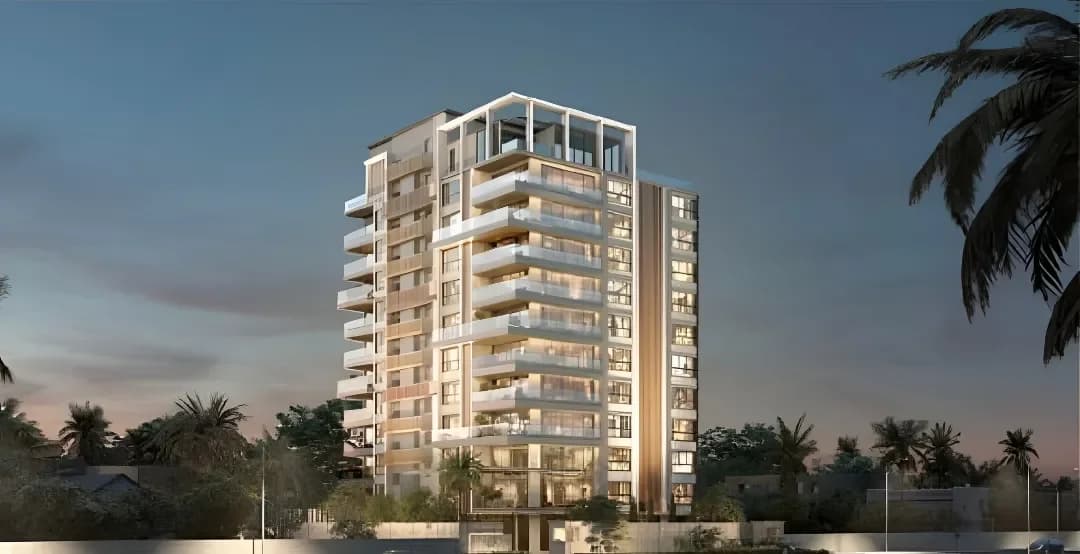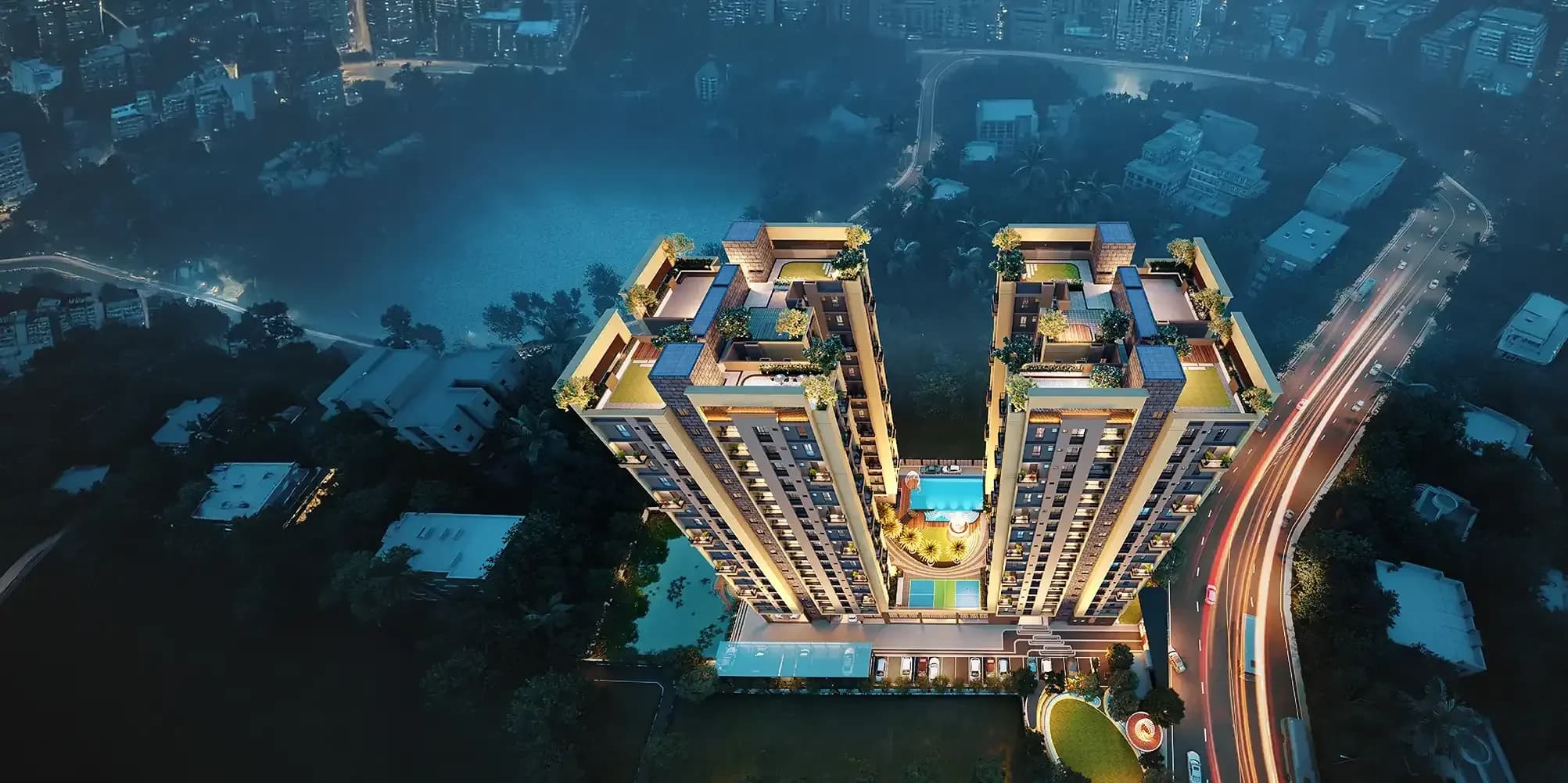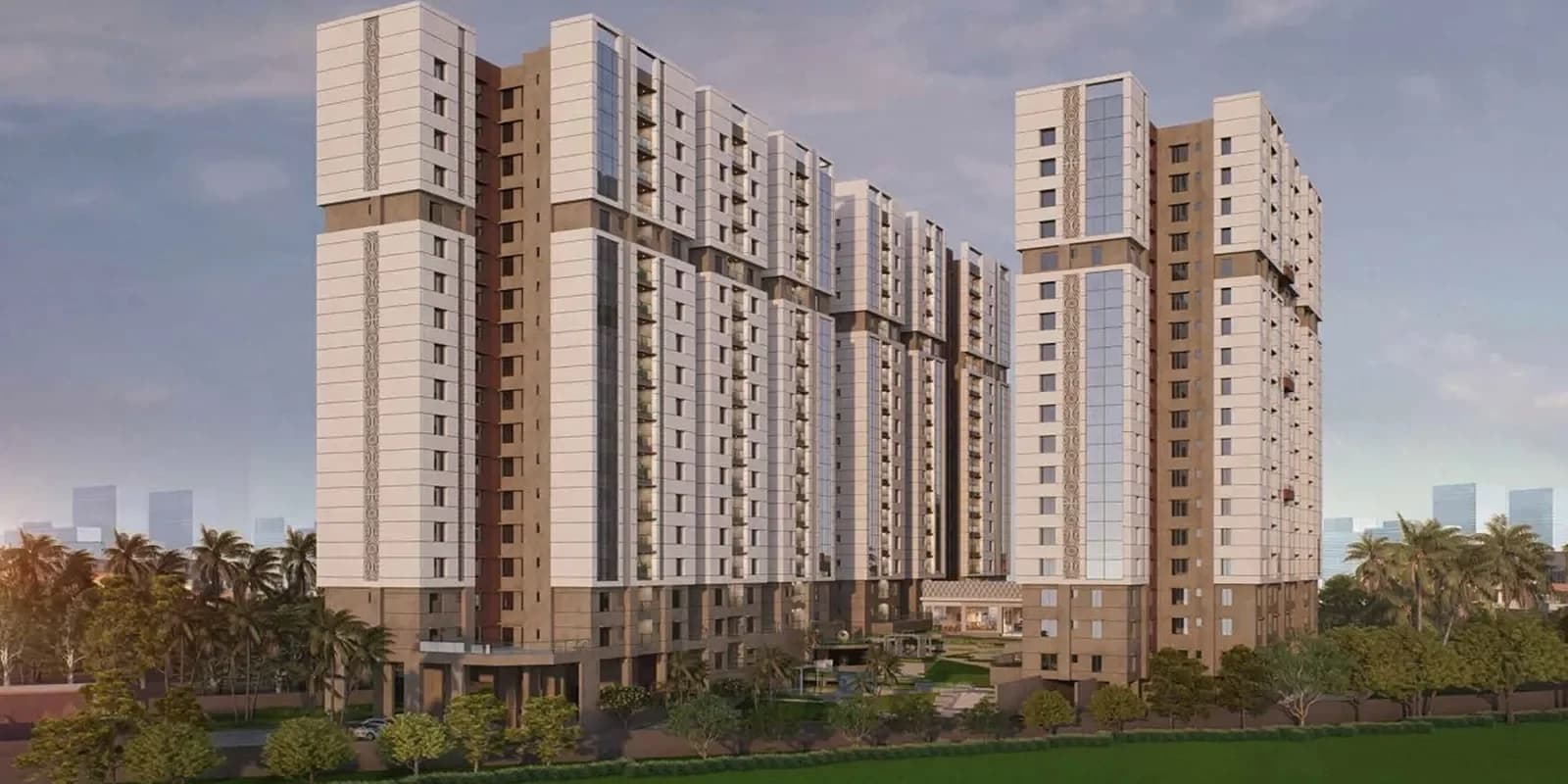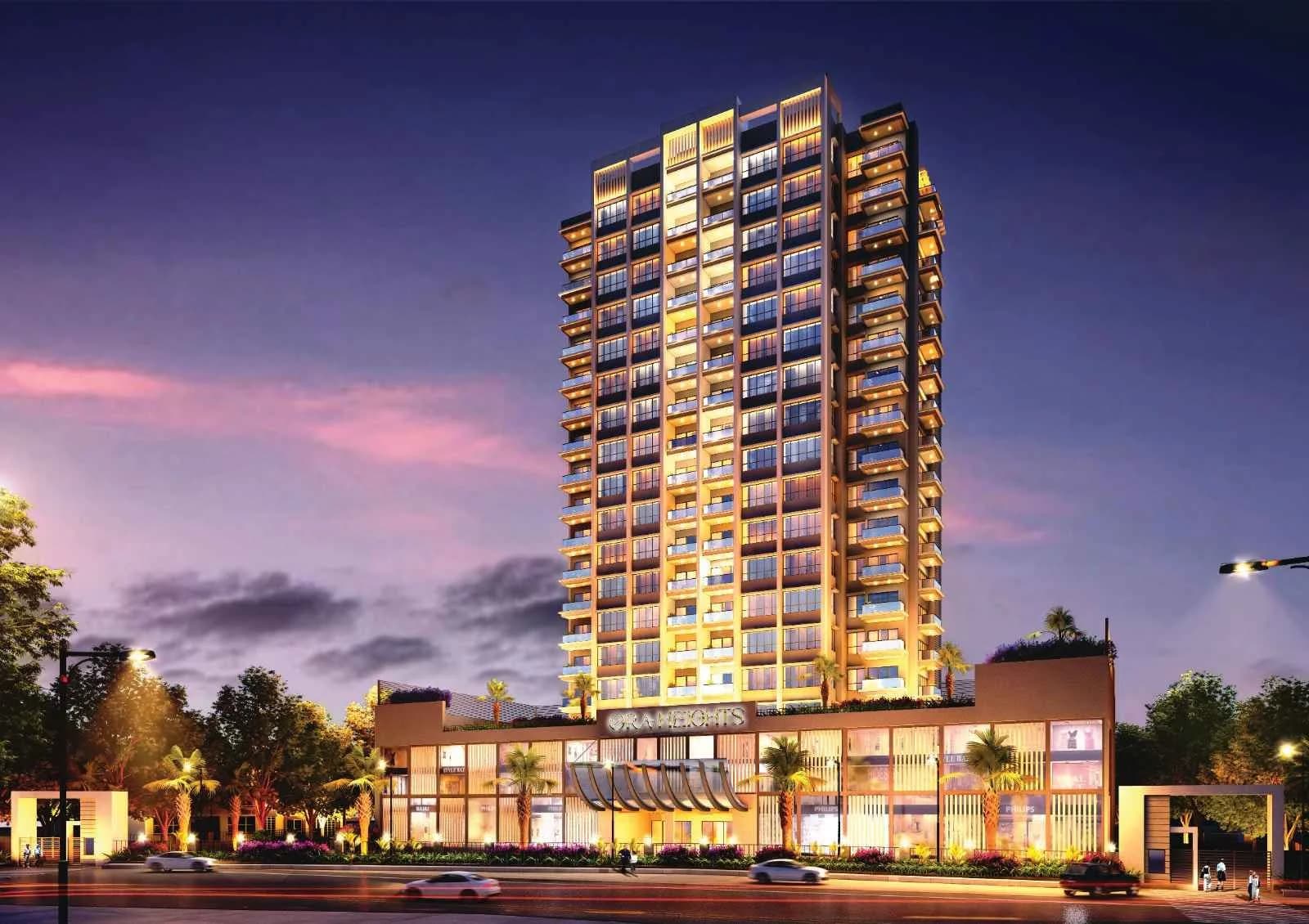
If you've been asking whether Kolkata real estate is a good investment in 2026, the short answer is: yes, cautiously - and the numbers back it up better than most people expect from a city that rarely makes national real estate headlines.
While housing sales fell nearly 4% across India's top eight cities in Q1 2026, Kolkata bucked the trend with a 5% rise, closing the quarter at 4,043 residential units sold. Developers matched that appetite with 3,475 new launches in the same period, so the market grew without tipping into an oversupply problem. Average residential prices in Kolkata reached approximately ₹5,937 per sq. ft. in Q1 2026, up 3% year-on-year from ₹5,748 - steady, unspectacular appreciation that's exactly what a stable market looks like, rather than a speculative one.
Why Kolkata Still Looks Undervalued
Compared to Mumbai, Bengaluru, or even Pune, Kolkata property prices remain some of the most affordable among India's major metros. Homes priced under ₹1 crore accounted for nearly 73% of all residential sales in the city in Q1 2026, which tells you this is still fundamentally an end-user-driven market rather than one propped up by speculative luxury demand — even though premium housing has been growing quickly off a smaller base. Industry estimates (JLL) put Kolkata's annual capital value appreciation in the broad 6–12% range across submarkets, which is respectable without being the kind of runaway growth that usually precedes a correction.
That combination — affordability plus steady, diversified demand — is the core argument for why Kolkata real estate is a good investment in 2026: you're buying into a market with room to grow, not one that's already priced for perfection.
Where the Growth Is Actually Happening
Not every part of Kolkata is moving at the same speed, so location matters more than the citywide average suggests.
New Town and Rajarhat remain the city's most active peripheral growth corridor, with some of the highest sales absorption in Kolkata. Average prices in Rajarhat–New Town run higher than the city average, though within the corridor, New Town itself has seen prices soften marginally over the past year as new supply has caught up with demand — a healthy correction rather than a warning sign, and arguably a better entry point for buyers than a market still running hot.
EM Bypass has firmly established itself as Kolkata's premium residential and commercial spine, prized for its connectivity to hospitals, offices, and the airport. It's also where over 90% of the city's luxury housing demand (₹1.5 crore+) is concentrated, alongside Ballygunge and Salt Lake, making it the most liquid segment for investors targeting resale value.
Joka and Behala, in South Kolkata, are the ones to watch for medium-term appreciation. With Purple Line metro stations at Behala Chowrasta and Behala Bazar already operational and the rest of the Joka–Esplanade corridor targeted for completion by 2028, these locations are still in the "metro just opened, prices haven't caught up yet" phase — historically one of the better windows to buy in any city.
Central Kolkata's legacy pockets — Ballygunge, Alipore, and similar — sit at the other end of the spectrum: limited land, almost no new supply, and appreciation driven by scarcity rather than infrastructure. These suit long-horizon capital preservation more than high-growth plays.
Infrastructure Is the Real Catalyst
Two metro projects are worth tracking closely if you're timing a purchase. The Orange Line, running along the EM Bypass corridor, is targeting completion around December 2026 and should support further appreciation in that belt. The Purple Line's Joka–Esplanade stretch is progressing through its tunnelling phase, with full completion expected by 2028 — meaning Joka and Behala buyers today are essentially buying ahead of the infrastructure curve.
Buyer Protections and Financing Are Both Favourable
West Bengal real estate is regulated under WBRERA (with older projects still carrying legacy HIRA registration numbers), and registration is compulsory for any project before it can be advertised or sold — developers must also deposit at least 70% of collected funds in a separate account earmarked for construction. Always verify a project's registration on the official WBRERA portal before booking.
On financing, 2026 has been a genuinely favourable year for buyers: home loan interest rates for well-qualified borrowers start around 7.10–7.65% per annum, following RBI repo rate cuts through 2025, and most floating-rate loans pass on further cuts within a quarter.
The Honest Caveat
Kolkata isn't a fast-money market, and it never has been. Quarter-on-quarter momentum has cooled even as annual numbers stay healthy, which is a sign of a maturing market rather than a slowing one — but it does mean investors chasing 20%+ annual returns should look elsewhere. What Kolkata offers instead is affordability, RERA-backed transparency, and genuine infrastructure-led upside in specific corridors like New Town, EM Bypass, and Joka.
Bottom line:
For buyers prioritising steady appreciation, rental stability, and a lower entry price than comparable metros, Kolkata real estate remains a sound investment in 2026 — provided you choose the micro-market, not just the city.
Note: pricing and appreciation figures above are drawn from Q1 2026 market reports and industry estimates (JLL, Synergy Infracon, RealtyPromoo, Liyaans); actual transacted prices vary by project and should be verified against current listings before making a purchase decision.